

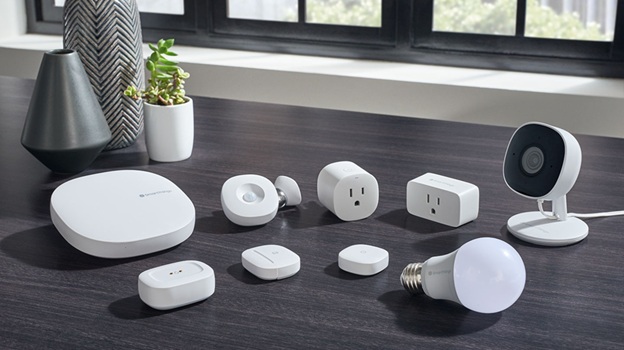
Not every smart home device relies on a steady WiFi connection to operate. As smart technology is expected to continue advancing in the future, by 2025, numerous gadgets will be developed to work independently through the use of local control systems. These devices are still capable of performing automated functions and responding to commands, as well as communicating with other devices without an internet connection. Regardless of whether you have poor internet connectivity or just prefer a privacy-oriented and reliable life, there is a wide range of smart home devices that can still be used without WiFi. Understanding these devices and their functionality will help you develop a more reliable system for a smart home.
Understanding How Smart Gadgets Work Without WiFi
Devices that use smart without WiFi are based on different communication protocols. They do not rely on the internet but instead operate on local networks, such as Zigbee, Z-Wave, or Bluetooth. These systems enable devices to communicate with each other over a direct or central hub that pushes automation commands locally. An example is a motion sensor powered by a Zigbee chip that can still switch on a light bulb connected to it, even when your internet connection goes down. Such an arrangement will ensure that crucial home automation remains efficient without reliance on an external network or cloud service.
Advantages of Using Smart Devices Without WiFi
Reliability is one of the largest benefits of smart gadgets that do not use WiFi. A variety of reasons can cause internet connections to fail, including service outages and router malfunctions. Nonetheless, offline devices are still functioning in your home’s local network. Privacy is also another major advantage. The devices also do not send information to other servers, and thus less risk of data insecurity or unauthorized access. Moreover, local-control systems are more responsive since they take the system less time to respond compared to sending commands over the internet.
Smart Lighting Solutions for Offline Use
One of the most widespread places where offline functionality is bright is smart lighting. Numerous contemporary smart bulbs and switches are now based on Zigbee or Z-Wave to interact with a hub, rather than relying solely on WiFi. After you have set up your lighting system, you can also switch lights on or off, dim them, or use pre-set lighting scenes, even when there is no internet connection. Others can even be motion-activated, so your smart lights will always be on, regardless of whether WiFi is present or not. This is especially helpful to the homeowners who appreciate continuous functionality.
Smart Plugs and Switches with Local Control
Another type that does not necessarily need a WiFi connection is smart plugs and switches. Devices based on protocols such as Z-Wave or Zigbee operate using a mesh network, where every connected device can send signals to other devices. This forms a stable, self-reliant system that continues to perform its commands even when the internet is unavailable. When fitted with such plugs, it is possible to automate lamps, fans, or other electronics using pre-programmed schedules stored locally on the hub. These intelligent plugs offer the advantages of saving energy while maintaining a high degree of regularity and reliability.
Smart Security Devices That Stay Functional Offline
Although most security devices in the modern world are heavily dependent on cloud-based monitoring, there are several devices that operate locally without requiring WiFi. As an example, smart locks, motion sensors, and alarms can still be used with direct Bluetooth or Zigbee connections. A smartphone or keypad can still be used to lock and unlock doors, even when you are not very far away. Other security hubs can also store logs of events in local memory and issue alarms when they are not connected to the internet. Remote access and notifications might be unavailable without WiFi, but the basic security features can be used and trusted.
Importance of a Smart Hub or Controller
A crucial factor that enables offline functionality is typically a central hub or a smart controller. This hub is the brain of your smart home, coordinating local commands and automation. The hub handles all the processing of your home network, rather than forwarding commands to a cloud server. This means that your smart thermostat will be able to control the temperature, and your smart plugs will adhere to pre-set schedules even when an active internet connection is not available. A Hub that employs Zigbee or Z-Wave forms mesh networks, improving the reliability of communication and allowing interaction even when multiple devices are present, without interruption from WiFi.
Privacy and Data Security Benefits
Better data protection and privacy are offered with smart home devices that work offline. Your devices are not constantly communicating with cloud servers, and as a result, confidential information about your habits or how you use your house is under your care. This significantly minimizes the risks of breaching data or having access by a third party. Additionally, there is the advantage of local automation, as you can be assured that your smart home will not be impacted by the unavailability of external servers or cyberattacks. The fact that a WiFi-free smart device is independent of a cloud infrastructure is one of the strongest arguments that make a smart device WiFi-free to privacy-conscious users.
What You Miss Out on Without WiFi
Though these gadgets can be used without having WiFi, they have a few shortcomings. Most of the time, a remote control will need an internet connection even when you are not at home. It does not imply that you will not be able to make any settings and have notifications even when you are not at home. Moreover, there are also advanced capabilities, such as voice assistants, automatic updates, and real-time notifications, which require access to the cloud. Nevertheless, reliable and privacy benefits tend to overcome these disadvantages. A combination of WiFi-enabled and locally controlled gadgets is a preferred option for many homeowners to find the most convenient and, at the same time, independent balance.
Choosing the Best Smart Gadgets for Offline Functionality
When choosing smart devices that are not based on WiFi, aim for those that use Zigbee, Z-Wave, or Bluetooth. Search for technology that can be either autonomous or based on a local hub. It is also prudent to ensure that the system selected is scalable, enabling you to register additional devices over time without compromising performance. Read the product specifications carefully so that the device can not only conduct simple tasks, such as switching on lights or shifting the thermostats, but also do it without the need for the internet. By installing a powerful local mesh network, you can ensure that your devices will communicate effectively even outside of WiFi range.
Conclusion
Even the non-Wi-Fi-enabled smart home devices are redefining the concept of home automation. These devices reduce their dependence on the internet, continuing to operate and remain private using local communication solutions such as Zigbee, Z-Wave, and Bluetooth, even when the internet is unavailable. Smart lights, plugs, locks, and sensors are examples of gadgets that can work effectively without cloud dependence. No, you will not be able to use certain features of the remote system, but the stability, privacy, and resilience are worth it. For anyone intending to create a more intelligent, secure, and reliable home, future-proofing the house by investing in items that do not require WiFi connectivity is an option.

