

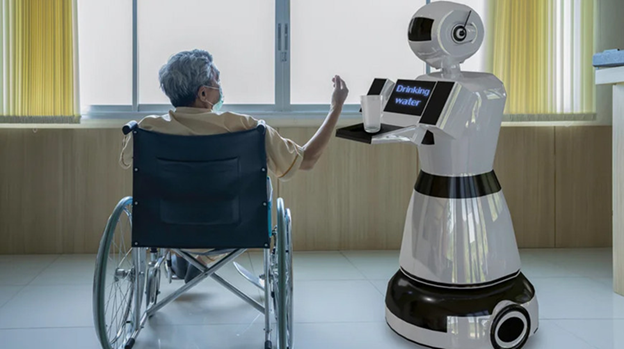
The need to find effective solutions to elderly care is increasing faster than ever due to the high rate of global aging of the population. By 2026, one of the most significant changes to healthcare technology is predicted to be the rise of home robots dedicated to assisting seniors. They are not mere machines but a combination of artificial intelligence, robotics, and human empathy programmed into a single unit; these advanced robots. It is designed to help the elderly maintain their independence, enhance their quality of life, and reduce the burden on caregivers and healthcare systems. Home robots will transform the way societies care for the ageing population, whether it is in terms of performing everyday tasks or providing companionship and healthcare.
The Growing Need for Robotic Assistance in Elderly Care
The elderly population is notably on the rise worldwide, and this has brought about several challenges, including a shortage of caregivers, high medical expenses, and a lack of personal assistance. Robotics technology is expected to fill this gap by 2026. Elderly care robots are equipped with capabilities to support all physical and emotional needs of the elderly, making their stay in their homes secure and prolonged. These robots can be tailored to the habits and preferences of every user, thanks to mobility and voice recognition, as well as AI-driven learning processes. This transition is a landmark in which technology is no longer an option, but a requirement for establishing the dignity and autonomy of older adults.
AI-Powered Companionship and Emotional Support
Providing companionship and emotional attachment is one of the most notable developments in home robots used for caring for the elderly. Older adults often experience loneliness and isolation, particularly those who live alone. The robots anticipated to be marketed in 2026 will feature superior AI algorithms that can engage in meaningful dialogue, identify emotional expressions, and react with empathy. These systems will be able to learn the interactions in order to enhance communication and offer the use of games, storytelling, or reminiscing about positive experiences to give mental stimulation. There are even models designed to have faces or voices that are expressive, simulating natural human-like interaction to lessen the sense of loneliness and improve emotional state.
Health Monitoring and Emergency Response Capabilities
Elderly care robots are concerned with health and safety. The new generation of home robots entering the market in 2026 will feature advanced sensors that continuously track vital signs, including heart rate, temperature, and motion patterns. Such robots are able to identify abnormalities, falls, or sudden behavioral changes and notify medical professionals or family members in real-time. Having AI-based predictive analysis, they will be able to detect early indicators of health damage and provide a timely response. Other robots will even include integrated telemedicine, allowing for direct video visits with the doctor. This amalgamation of healthcare and robotics represents a significant step forward in preventive medicine and emergency medical care for the elderly.
Assistance with Daily Living Tasks
Robots to assist the elderly in their homes are being developed to help with daily routine activities, which may prove difficult with old age. These robots will make the day-to-day lives of people easier, whether it is by cooking simple food, cleaning, or reminding users to take pills. Most of these machines will feature robotic arms capable of performing fine motor skills, such as pouring a drink or opening containers, by 2026. Through AI algorithms, they will be able to navigate around objects, identify objects within the house, and adapt to the house’s design. Some robots will also offer physical assistance to the elderly who may have mobility problems, allowing them to stand, walk, or move between rooms without any hassle. This blend of support and independence enables a decrease in reliance on human caregivers, while also enhancing the comfort and self-confidence of the elderly.
Personalized Learning and Adaptability
The difference in the 2026 generation of the elderly care robots is that they can learn and develop. These robots can study user behavior and continuously modify their responses through machine learning. They will also recall habit, taste, and even mindset, which will make the experience very personal. For instance, if a user is known to wake up late or prefers a specific meal, the robot can automatically modify their schedules and reminders. This flexibility is crucial in making the robot more than just a tool, but a trusted companion that knows and predicts what is required. In the long term, this individualized support can be highly effective for the mental and physical well-being of elderly users, as they will experience a sense of familiarity and control in their daily lives.
Integration with Smart Home Ecosystems
Elderly care Robot-based home care will blend with the wider smart home operations by 2026. These robots will serve as centralized centers, arranging the lighting, temperature, and security according to the occupants’ preferences. They are able to communicate with smart devices, wearables, and medical devices, making the environment completely linked. For example, at bedtime, the robot can dim the lights, or at a certain time of the year, it can turn on the heating to warm people up or turn it off to conserve energy. The addition of smart home technology would make it easier, safer, and energy-saving. The interconnected arrangement also enables family members and caregivers to check the situation remotely in real-time, providing them with the confidence that their loved ones are in safe hands, even when they are at a distance.
Enhancing Mobility and Independence
Among the elderly, one of the greatest security obstacles to independent living is mobility. The new robotic developments in 2026 will focus on enhancing mobility with the aid of sophisticated assistive systems. There will be robots equipped with self-balancing systems and navigation sensors, enabling them to assist seniors in navigating their homes safely. It can also involve exoskeleton support, which can offer the physically weak or movement-limited individuals physical strength and stability. They will also be able to assist with activities like climbing stairs, reaching high shelves, or even moving out of the wheelchair and into bed, thanks to these mobility assist robots. Mobility robots will help older adults stay active and independent by reducing the risk of falls and injuries, which is essential to overall health and confidence.
Ethical Considerations and Human Oversight
Like any significant technological development, the increasing use of robots in caring for elderly people poses some significant ethical concerns. Privacy, autonomy, and emotional authenticity issues will become heated debates in 2026. Although robots may offer outstanding assistance, it is essential to ensure that human care and compassion remain at the center of the elderly’s well-being. Another main concern is data security, where health and personal details of individuals gathered by these robots should not be accessed by unauthorized persons. Technology developers are collaborating with governments to create ethical guidelines and regulations that ensure these technologies are used responsibly. The most plausible future will be a balance between innovation and empathy, where human caregivers will be complemented by the use of robots instead of being replaced.
The Future Outlook for Elderly Care Robotics
In the future, the influence of elderly care robots in 2026 will extend beyond individual households to encompass broader applications. With the increasing affordability and proliferation of these robots, they will play a crucial role in alleviating strain on the healthcare system and long-term care facilities. The families will feel freer when they realize that their loved ones are in the hands of intelligent and responsive machines that are available 24/7. Furthermore, the development of AI, voice recognition, and robotics is expected to continue growing, and the generations to come will likely be even more emotionally intelligent and caregiving. With technology and compassion, the future of the geriatric process is more independent, safer, and more fruitful in terms of the high quality of life of millions of older adults across the globe.
Conclusion
The 2026 elderly care robot, expected to be available in homes, signifies a major step in the right direction for the future, where technology and humanity will collaborate to improve the lives of senior citizens. The innovations are not only related to the aspect of convenience, but they are also giving dignity, safety, and companionship to those in need. These robots will transform the way we care for ourselves and our parents and children as we age, as they will be equipped with AI-powered capabilities that include learning, health monitoring, smart home integration, and emotional support. The moment society adopts this new breed of smart assistants, we will be one step closer to having a world where all elderly people can live a comfortable life and feel safe and secure at home. The year 2026 will mark a significant milestone in the history of care technology, a breakthrough that actually changes the face of aging gracefully and with assistance.

