

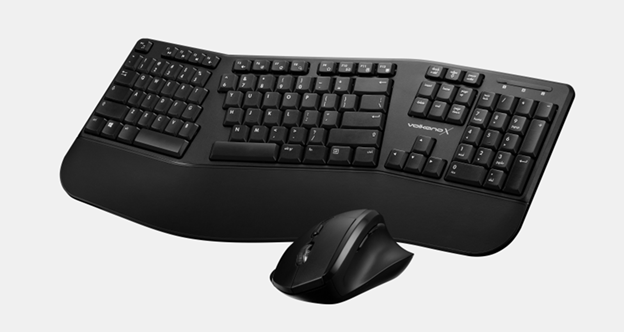
Creating a comfortable and efficient workstation has never been more important, especially for office professionals who spend long hours typing and navigating on-screen applications. A well-designed ergonomic keyboard and mouse combo can significantly enhance productivity, reduce fatigue, and lower the risk of strain-related injuries. As studies show, ergonomic input devices help maintain natural hand and wrist positions, improve posture, and prevent conditions such as carpal tunnel syndrome. In this article, we’ll explore what to look for in a high-quality ergonomic keyboard and mouse combo in 2025, key features, compatibility, setup tips, and recommended models to consider.
Why ergonomics matter for keyboard and mouse use
When you spend hours typing and moving a mouse, the subtle positioning of your wrists, arms, and shoulders accumulates into either comfort or strain. Ergonomic input devices are engineered to support a more natural hand posture, reducing twisting of the wrists and tension of the forearms. Research shows that ergonomic keyboards and mice reduce the risk of repetitive strain injuries and help maintain productivity through longer uninterrupted work sessions. Moreover, proper device ergonomics promotes better overall posture, which in turn helps prevent shoulder and neck stress that often arises from poor hand placement.
Key features to evaluate in an ergonomic combo
When selecting an ergonomic keyboard and mouse combo for office work, certain features stand out as essential. Look for a keyboard that offers a split layout or curved design to align your wrists in a neutral position. Tented (raised in the middle) or adjustable keyboards allow you to more naturally splay your hands. On the mouse side, seek designs that support a vertical or semi-vertical grip to reduce pronation of the wrist. Additional features like programmable keys or buttons, wireless connectivity, multi-device switching, and high-precision sensors enhance both comfort and efficiency. Quality build materials and wrist supports or palm rests also matter for sustained comfort.
Compatibility, connectivity and workflow integration
Ergonomic keyboard and mouse combos vary widely in how they connect and integrate with your workflow. Many high-end combos offer Bluetooth or USB-receiver wireless connectivity for a clean desk aesthetic. Some provide multi-device switching, letting you control desktop, laptop, or tablet with one combo. Ensure compatibility with your operating system: Windows, macOS, or hybrid environments may have unique driver or software support requirements. For a 2025 office setup, look for combinations that support low-latency wireless, seamless OS switching, and easy pairing. This ensures your ergonomic devices don’t become a bottleneck in your productivity.
Comfort and adjustability in long-day use
A key reason many professionals invest in ergonomic combos is comfort during long typing and navigation sessions. Ergonomic keyboards should allow adjustable tilt and height, so you can keep your forearms nearly parallel to the floor and your wrists straight. On the mouse side, a size and shape that fits your hand are critical—too large or too small can create strain even with ergonomic intentions. Look for combos where the manufacturer provides sizing guidance or multiple grip style options. Extended-use comfort also means quiet keys, tactile feedback without excessive force, and a mouse sensor that responds accurately without requiring exaggerated hand movements.
Productivity benefits of switching to ergonomic peripherals
Beyond comfort and health benefits, ergonomic keyboard and mouse sets can directly influence productivity. Because they reduce fatigue, users can maintain focus and typing speed for longer periods. A well-designed combo also reduces the number of unintentional errors by aligning your hands in more natural positions. Studies indicate that workers using ergonomic input devices report fewer breaks and interruptions due to discomfort. In addition, advanced combos may include customizable shortcuts or macros that further streamline repetitive office tasks—saving time and reducing mental load.
Setup and workstation alignment best practices
Even the best ergonomic combo won’t fully deliver if your workstation isn’t set up correctly. Your keyboard should be placed at or slightly below elbow height, with your forearms parallel to the floor or slightly downward. Your mouse should sit close to the keyboard at the same height, minimizing reach. The screen should be at eye level and directly in front of you to avoid twisting or head tilt. According to ergonomic guidelines, placing keyboard and mouse at the correct heights and positioning them properly is essential for preventing wrist and shoulder injuries. Cable management and ensuring your keyboard and mouse platform are stable also contribute to overall comfort and fewer disruptions.
Choosing between wired and wireless combos
Wired keyboard and mouse combos remain reliable with zero battery worries and minimal latency, but wireless combos offer cleaner desk setups and freedom of movement. In 2025, wireless ergonomic sets have matured to deliver strong battery life, low latency and multi-device switching capability. If you use multiple devices (desktop + laptop) or alternate between home and office, a wireless combo with easy switching may be valuable. However, ensure that your wireless combo offers a high-precision mouse sensor (at least 1000-2000 DPI for office use) and secure connectivity. For mission-critical tasks, some users still prefer wired reliability.
Recommended ergonomic keyboard and mouse combos for 2025
Though specific product names and models frequently update, excellent ergonomic combos today include options with split or curved keyboards and ergonomic mice designed for comfort and productivity. Focus on trusted brands that offer solid build quality, good warranty and strong software support for customization. The right combo will feature full-size keyboards with ergonomic design, accompanying ergonomic mouse (vertical or semi-vertical), wireless connectivity (Bluetooth or USB receiver), and compatibility with Windows/macOS. Make sure your chosen set fits your hand size, grip style and desk layout, and allow a short adaptation period to the ergonomic layout.
Conclusion
An ergonomic keyboard and mouse combo is one of the most impactful upgrades you can make to your office workstation in 2025. By choosing the right combo—one with appropriate layout, adjustability, connectivity and comfort—you can reduce wrist and shoulder strain, improve posture, and boost your productivity throughout the day. Proper workstation setup and alignment ensure you get the full benefits of the ergonomic devices. Whether you’re working from home or in a shared office, investing in an ergonomic combo is a long-term investment in your health, comfort and efficiency. With the right pairing of keyboard and mouse, your hands and body will thank you for decades of more comfortable typing.

